What UGC ads are, why brands run them, what a UGC video costs, how AI UGC works, and the one rule to keep: a presenter is never a fake customer.
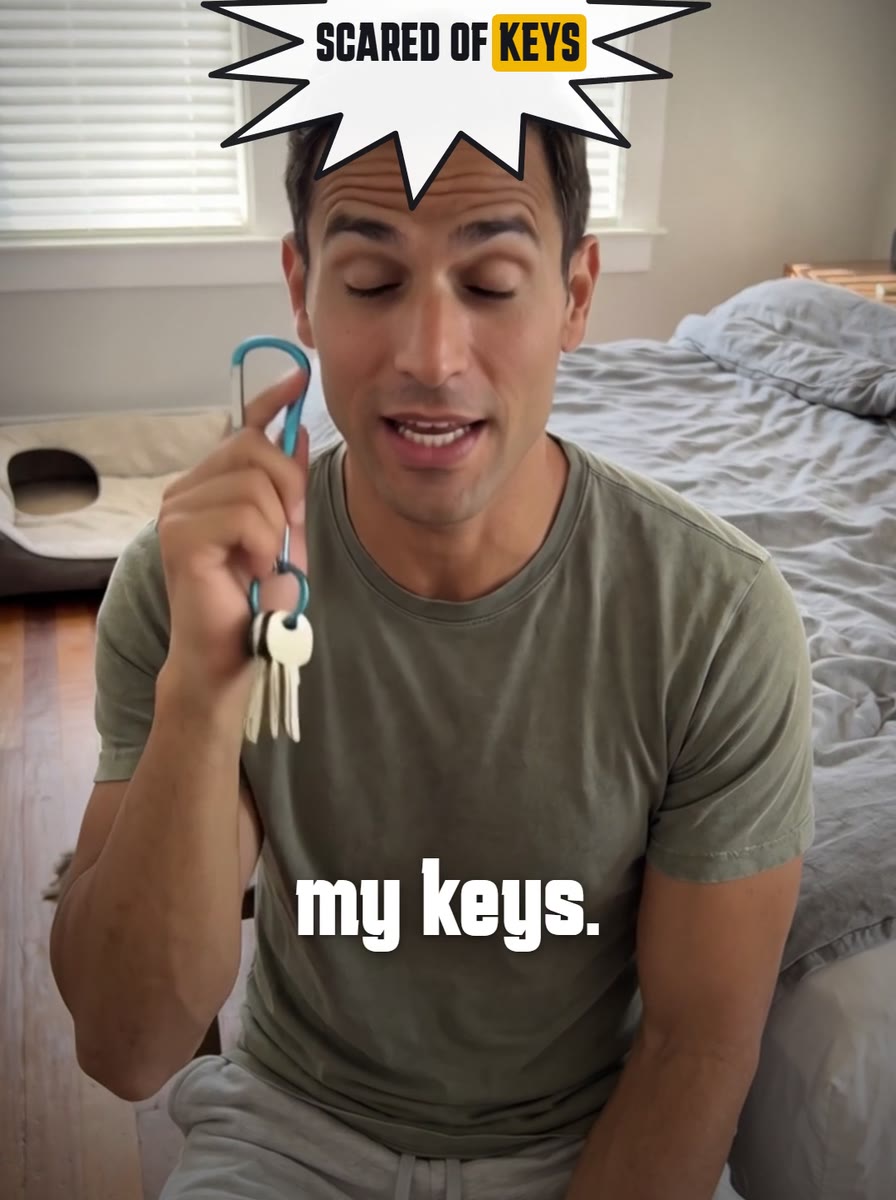
Scroll TikTok or Instagram for a minute and you'll see someone holding a product up to their phone camera, telling you why they like it. Some of those are posts. Many are ads. That's UGC, and it has become one of the most common ad formats for small businesses.
What UGC means
UGC stands for user-generated content: "content created by regular people on social media rather than brands," as Hootsuite defines it. Shopify describes it as "videos, photos, and written statements made by social media users to promote or review a product" (Shopify).
Today much of it is made to order: brands pay UGC creators to make videos in that style, which the brand then uses on its own channels. Unlike an influencer, a UGC creator doesn't need an audience of their own (Hootsuite).
What makes it an ad
A UGC ad is UGC you pay to show: you run the video as a targeted ad on TikTok, Instagram or Facebook (Shopify). The usual formats are a person talking to the camera, a quick demo, an unboxing, a before-and-after, or a short "three reasons I go here" list.
Why brands use it
Because it looks like a recommendation rather than a commercial, and people trust recommendations. TikTok's own analysis of third-party creator content found creator ads had a 70% higher click-through rate and 159% higher engagement at the same cost per thousand views (TikTok). That's the platform's own data, so read it as a strong signal rather than a guarantee.
Shopify adds a fair warning: content from paid creators can feel less convincing when the creator has no real connection to the brand (Shopify).
What a UGC video costs
On creator platforms, a UGC video starts around $100: Billo from $99 a video (Billo), Insense from $100 a video plus a monthly plan (Insense). Collabstr's 2025 report found brands paid an average of $177.68 per UGC collaboration on its marketplace (Net Influencer). For the wider picture, see How much does a commercial cost?.
AI UGC
AI UGC makes the same kind of video with an AI presenter instead of a filmed creator: no shipping the product, no waiting for a creator, no reshoots. In Felora you pick one of 20 presenters, approve the script, and about 25 minutes later you get a vertical video of about 30 seconds: your presenter talking to the camera about your business, lip-synced, with captions and shots that show what they say, in English or Hebrew. It's 100 credits, about $13 on the Pro plan (AI UGC video generator).
The one rule to keep
A presenter presents your business. They are not a customer, and an ad must never say or suggest they bought from you. The FTC's Endorsement Guides say an ad that presents "actual consumers" must use real consumers or clearly say they aren't (Federal Register), and its rule on fake reviews bans testimonials from people who don't exist (FTC). New York and the EU also require AI people in ads to be disclosed; see Do you have to label AI-generated ads?.
So write the script the way a good presenter talks: "Here's what this place does, here's the offer, here's how to book." It works, and it's honest.